
Dental office real estate requires a different approach than traditional commercial leasing. Operatories, plumbing infrastructure, electrical capacity, imaging equipment, sterilization systems, compressor and vacuum requirements, patient flow, and long-term occupancy planning can all influence whether a location is suitable for a dental practice.
HPRG Realty helps dentists throughout Virginia find dental office space for lease or rent, and supports a wide range of real estate processes. Whether you are opening a startup practice, evaluating a dental practice for sale, adding a second location, or planning a long-term expansion strategy, our team provides guidance tailored to the business and operational realities of dentistry.
Virginia’s combination of growing suburban communities, healthcare corridors, retail centers, professional office buildings, and medical campuses creates a wide range of opportunities for dental providers seeking the right location.
Finding dental office space involves more than comparing rental rates and square footage. Dentists must determine whether a location can support treatment rooms, equipment installation, patient convenience, staffing needs, and long-term practice growth.
Startup practices often require locations that balance visibility, accessibility, demographics, and build-out feasibility. Existing dental suites may reduce construction requirements, but lease terms, equipment assumptions, infrastructure condition, and future flexibility still require careful review.
Relocating an established practice introduces additional considerations, including patient retention, staff commutes, occupancy timing, and transition planning. For growing practices, expansion opportunities may require additional operatories, larger hygiene departments, imaging capabilities, sterilization areas, staff accommodations, and improved parking availability.

How much space do you need or want?

Where do you want to be located?

Do you know how to negotiate your lease?

Purchasing a dental practice often starts by evaluating patient volume and financial performance. However, real estate considerations frequently play the biggest role in both practice value and long-term success.
Buyers should carefully evaluate lease assignability, renewal options, landlord consent requirements, occupancy costs, equipment condition, infrastructure quality, patient accessibility, and future expansion potential. A strong practice may still present challenges if the underlying lease limits growth or creates long-term operational constraints.
Sellers often face their own set of real estate considerations as well. Lease transfers, relocation timing, buyer due diligence, occupancy obligations, and transition planning can all influence transaction outcomes. Addressing these issues early can help create a smoother acquisition process and improve buyer confidence.
HPRG assists dentists, buyers, sellers, and advisors with real estate strategies for dental practice acquisitions, ownership transitions, and practice sales throughout Virginia.

Dental office space often requires infrastructure that traditional office users never need to consider. As a result, selecting the right property and negotiating the right lease structure can significantly affect startup costs, operational efficiency, and the long-term value of the practice. Dental office spaces frequently need to have the following installed or implemented:
Because dental build-outs can be substantial investments, dentists should approach a potential listing with caution. They should verify tenant improvement allowances, lease flexibility, renewal rights, and future occupancy options before committing.

Dentists opening a first office in Virginia often need to balance patient demographics, parking access, storefront or building visibility, signage, build-out costs, and room for future growth. The right location should support both early patient acquisition and long-term practice stability.
Existing dental offices may already include operatories, plumbing, and clinical layouts, which can reduce construction complexity. Even so, dentists should review equipment assumptions, lease terms, office conditions, renewal rights, and whether the space can support the next phase of the practice.

Dental practice acquisitions require careful review of the real estate tied to the transaction. Buyers should evaluate lease assignment language, landlord requirements, patient continuity, occupancy obligations, and whether the space can support future expansion.

Growing practices may need more operatories, expanded hygiene capacity, better parking, improved staff flow, or space for specialty services. HPRG helps dentists compare whether renewing, relocating, or expanding is the strongest long-term option.

Landlords with dental-ready or dental-appropriate space need a strategy for reaching qualified tenants. HPRG helps property owners position suites, evaluate tenant fit, negotiate dental-use lease terms, and plan around tenant improvement requirements.
Other factors can come into play, but dental practice performance is often closely tied to the nature of the location. Throughout Virginia, providers may evaluate markets based on residential density, household income levels, daytime employment populations, patient demographics, referral opportunities, competition, and long-term growth potential.
Many dental providers considering locations in Tysons, McLean, Fairfax, Falls Church, Arlington, Alexandria, Reston, Herndon, Leesburg, Ashburn, Loudoun County, Prince William County, and Woodbridge prioritize visibility, convenient parking, and easy access for families and working professionals. Unlike dense urban markets, many Virginia locations offer opportunities within retail centers, mixed-use developments, professional office buildings, and healthcare-oriented office parks.
Major transportation corridors such as I-495, I-66, Route 7, Route 50, the Dulles Toll Road, and I-95 can significantly influence patient convenience and practice accessibility. Easy ingress and egress, parking availability, and proximity to growing residential communities often play an important role in site selection.
Dentists must also balance lease economics and build-out costs with long-term growth goals. A location that supports future operatories, expanded staffing, specialty services, or additional patient volume may provide greater long-term value than a space selected solely on initial occupancy cost.
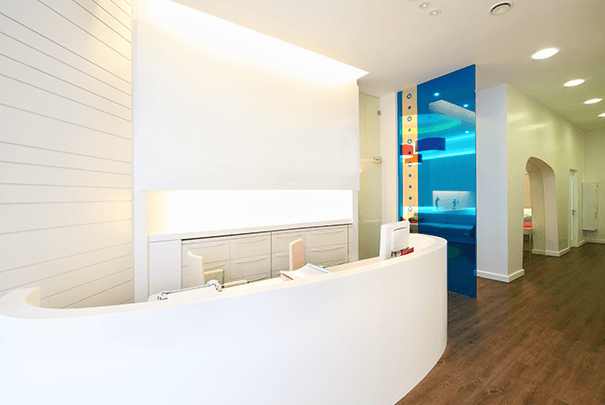

Before beginning the search process, HPRG helps evaluate operatories, square footage requirements, specialty focus, equipment needs, patient demographics, growth plans, budget considerations, occupancy timing, and parking requirements.
Potential opportunities may include existing dental offices, shell spaces, retail centers, medical office buildings, mixed-use developments, and professional office properties. Each option presents different advantages depending on the practice model.
Our team helps review tenant improvement allowances, free rent periods, lease terms, signage rights, use clauses, renewal options, assignment language, equipment requirements, and construction timelines before commitments are made.
Lease negotiations should support practice profitability, patient continuity, future expansion opportunities, operational flexibility, and long-term business value. HPRG helps structure agreements with these objectives in mind.
Whether you are searching for dental office space, planning a relocation, expanding into a larger facility, or positioning a dental property for sale or qualified tenants, HPRG Realty helps clients navigate Virginia’s real estate market with industry-specific insight and strategic support.
Our team is here to position independent dentists, group practices, DSOs, landlords, investors, buyers, and sellers for long-term success.
Start by defining your operatory count, square footage needs, target patient base, parking requirements, signage goals, budget, and build-out plan. In Virginia, dentists should also compare retail centers, professional office buildings, medical buildings, and mixed-use spaces based on visibility and patient convenience.
Dentists should evaluate plumbing, electrical capacity, operatories, sterilization areas, imaging needs, signage, parking, easy ingress and egress, patient access, lease flexibility, and room for future operatories or provider growth.
Existing dental offices may reduce construction time, but layout, equipment assumptions, lease terms, and expansion potential still need review. New build-outs may offer more control, especially in retail or professional office settings, but require careful planning around cost, timing, and landlord approvals.
Yes. HPRG helps buyers and sellers evaluate real estate issues tied to Virginia dental practice sales, including lease assignments, landlord approvals, renewal rights, occupancy costs, relocation options, and future expansion needs.
Often, yes. Dental offices typically require plumbing, electrical infrastructure, operatories, imaging support, sterilization systems, and equipment planning. In Virginia, build-out needs can vary depending on whether the space is in a retail center, office building, or existing dental suite.
Yes. HPRG helps Virginia landlords market dental-ready or dental-appropriate spaces, identify qualified dental tenants, negotiate lease terms, and plan around build-out, parking, signage, and long-term occupancy needs.