
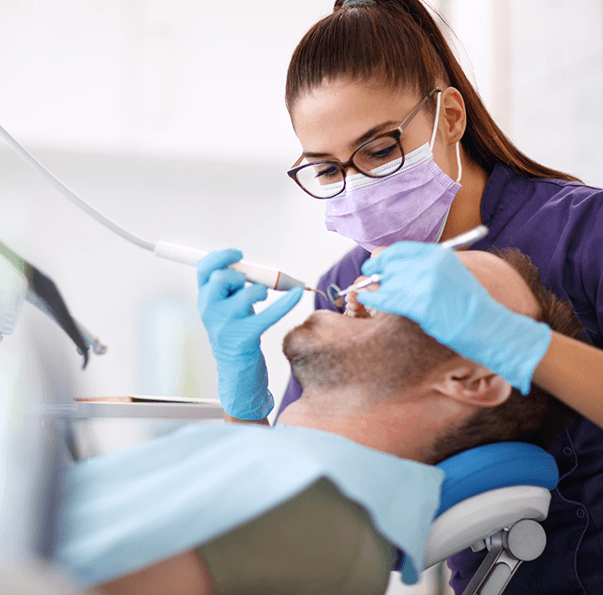

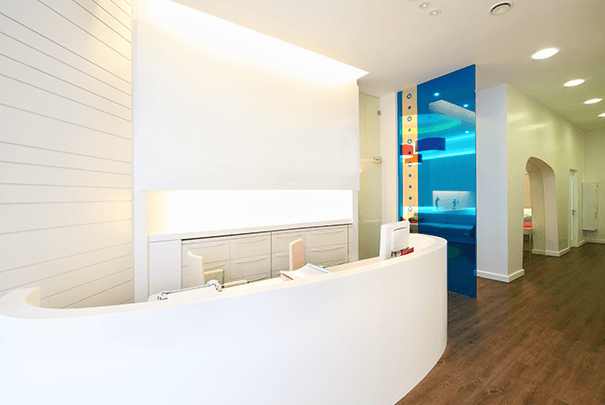

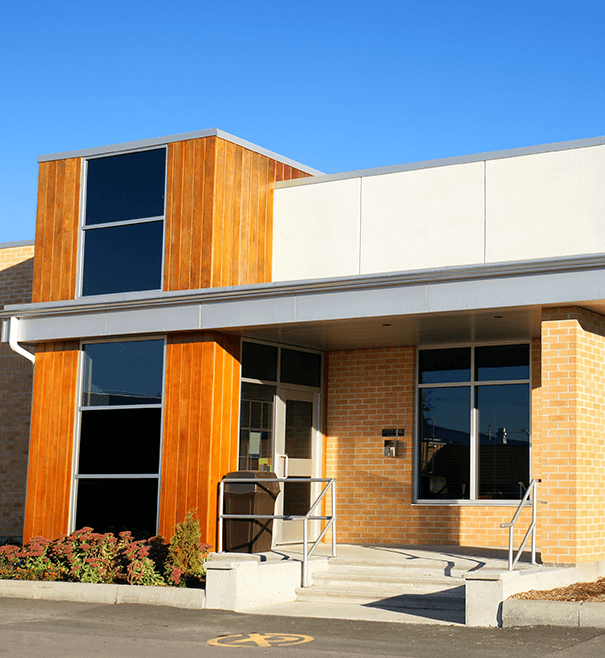
Dental offices have requirements that extend far beyond traditional commercial real estate. Plumbing infrastructure, electrical capacity, treatment room layouts, sterilization areas, imaging equipment, compressor and vacuum systems, patient flow, and build-out costs can all influence whether a location is truly viable for a dental practice.
HPRG Realty helps dentists find dental office space for lease or rent throughout Washington, D.C. Our team supports startups, practice acquisitions, relocations, expansions, lease renewals, and ownership transitions while helping providers navigate the real estate challenges of operating in a dense urban market. Whether you are a long-standing practice or just getting started, HPRG provides guidance tailored to the unique needs of dental professionals.
Finding the right dental office goes far beyond square footage and curb appeal. In Washington, D.C., dentists often compete for well-positioned locations that offer visibility, accessibility, and the infrastructure necessary for dental use. A location that seems attractive from the street may still require extensive improvements to support operatories, imaging equipment, sterilization systems, and efficient patient flow.
Startup practices frequently need spaces that can accommodate substantial build-outs while remaining financially sustainable during the early stages of growth. Existing dental offices may reduce some construction requirements, but providers still need to evaluate lease terms, equipment assumptions, office condition, patient demographics, and future expansion potential.
Relocations and growth initiatives require additional planning. Moving an established dental practice involves maintaining patient continuity, minimizing operational disruption, and ensuring the new location supports additional operatories, staff growth, specialty services, and long-term practice goals.
How much space do you need or want?
Where do you want to be located?
Do you know how to negotiate your lease?
Dental office space presents challenges that many traditional commercial properties are not designed to support. Before committing to a lease, dentists should understand whether the space can realistically accommodate both current operations and future growth. Dental office requirements often include:
In Washington D.C., these considerations can become even more important because build-out costs are often higher, available inventory may be limited, and lease negotiations frequently involve complex discussions around improvement allowances and construction timelines.
Dentists opening a first practice often balance budget considerations with visibility, accessibility, patient demographics, and long-term growth opportunities. Selecting the right location early can influence patient acquisition, marketing effectiveness, and future expansion flexibility.
Second-generation dental offices may already include operatories, plumbing infrastructure, and layouts designed for patient care. While these spaces can reduce build-out demands, dentists should still evaluate lease terms, equipment condition, operational efficiency, and future adaptability.
Purchasing a dental practice often involves evaluating more than patient volume and goodwill. Lease assignments, occupancy obligations, equipment ownership, transition timelines, and real estate terms can all influence the value and viability of an acquisition.
Growing practices may require additional operatories, expanded hygiene capacity, specialty treatment areas, larger staff accommodations, or improved patient access. HPRG helps dentists compare renewal, relocation, and expansion options based on long-term growth objectives.
Property owners seeking dental tenants often benefit from specialized marketing and leasing strategies. HPRG helps landlords position dental-ready spaces, identify qualified operators, and negotiate lease structures that account for significant tenant build-out investments and long-term occupancy goals.
While it’s not the only focus, dental practice performance is often closely tied to location strategy. In Washington, D.C., providers frequently evaluate neighborhoods based on patient demographics, residential density, daytime workforce populations, visibility, referral opportunities, competition, and accessibility.
Areas such as Georgetown, Dupont Circle, Foggy Bottom, Capitol Hill, Navy Yard, NoMa, Downtown DC, Tenleytown, Friendship Heights, Cleveland Park, Columbia Heights, H Street NE, Connecticut Avenue NW, and Wisconsin Avenue NW may offer different advantages depending on the practice model and target patient base.
Many dentists also consider patient convenience when selecting a location. Metro access, walkability, rideshare availability, commuter routes, and parking options can all influence appointment retention and new-patient growth. In some corridors, visibility and pedestrian traffic may be more valuable than parking availability, while other practices prioritize convenience for families and repeat patients.
Because dental build-outs often require substantial investment, location decisions should be evaluated alongside lease economics, tenant improvement allowances, infrastructure requirements, and long-term occupancy costs.
HPRG helps dentists evaluate operatories, square footage, specialty focus, equipment needs, patient flow, budget considerations, occupancy timing, and future growth objectives before beginning the search process.
Our team helps compare existing dental offices, medical offices, professional office properties, retail opportunities, mixed-use developments, and other locations that may support dental occupancy.
We assist with evaluating tenant improvement allowances, free rent periods, lease terms, signage rights, use clauses, assignment provisions, equipment-related requirements, and construction feasibility.
Lease negotiations should support patient continuity, operational flexibility, cash flow management, build-out timelines, and long-term practice value. HPRG helps clients structure agreements with these objectives in mind.
The real estate component of a dental practice often plays a major role in both transaction value and long-term success. Buyers evaluating a dental practice for sale should understand how lease terms, office condition, infrastructure quality, equipment support systems, patient accessibility, and future growth potential may affect the opportunity.
Lease assignability, renewal rights, occupancy obligations, expansion flexibility, and landlord requirements can all influence the transition process. A strong practice may still present challenges if the underlying real estate cannot support future operational goals.
For sellers, a real estate strategy can be an important part of positioning a practice for acquisition. Lease transfer considerations, office presentation, occupancy costs, and transition planning may all impact buyer confidence and transaction outcomes. HPRG helps dental professionals evaluate the real estate aspects of practice acquisitions, ownership transitions, and dental practice sales.
Testimonials
These are just a few of our reviews from past clients that we have saved thousands!
Whether you are opening a startup practice, relocating an existing office, or planning a transition strategy, HPRG Realty covers it all. We provide targeted dental real estate guidance throughout Washington, D.C.
Our team works with independent dentists, group practices, landlords, investors, and buyers seeking informed advice on a variety of real estate decisions.
Start by defining your operatory needs, budget, patient geography, parking or Metro access requirements, and build-out timeline. In Washington, D.C., dental-ready space can be limited, so it is important to compare both existing dental suites and spaces that may require conversion.
Dentists should evaluate plumbing, electrical capacity, operatories, sterilization areas, imaging needs, signage, patient flow, walkability, Metro access, parking availability, and whether the lease terms support a dental build-out.
Existing dental offices may reduce construction complexity, but location, equipment condition, lease terms, infrastructure, and patient access still need review. Building out new space may offer more control but can be more complex in older or space-constrained D.C. properties.
Yes. HPRG helps dentists evaluate real estate issues tied to practice acquisitions and sales, including lease assignments, renewal rights, landlord approvals, occupancy costs, relocation options, and transition planning.
Often yes. Dental offices usually require specialized plumbing, electrical systems, operatories, imaging support, sterilization areas, and equipment infrastructure. In Washington, D.C., build-out planning and tenant improvement negotiations can be especially important.
Yes. HPRG helps landlords market dental-ready or dental-appropriate spaces, identify qualified dental tenants, and negotiate leases that account for build-out requirements, occupancy timing, and long-term use.
Copyright © 2025 – Health Pro Realty Group. All Rights Reserved.